Learning Designed as One Connected Experience

SLS: Shemrock Learning System

The Shemrock Learning System (SLS) is the framework that shapes the learning experience at Shemrock School Patiala. It brings our school’s culture, educational philosophy, infrastructure, curriculum, lesson plans, learning levels, and curricular activities into one connected system. Each part works towards a shared purpose: helping every child discover their abilities, develop their potential, and grow through meaningful learning experiences.

Shemrock School Learning
Curricular Architecture

Learning That
Evolves With Every Stage

Foundational Stage

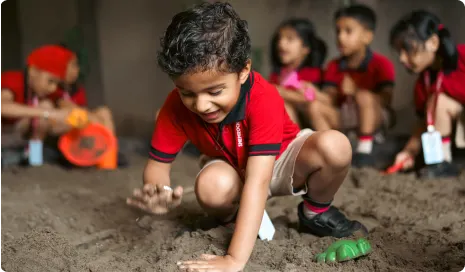
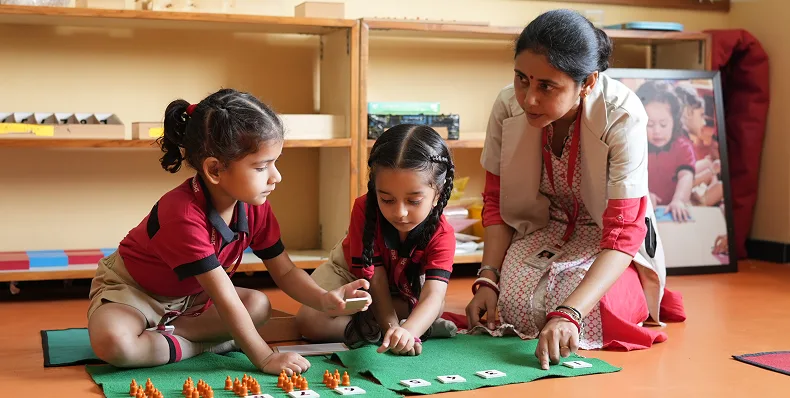
Our curriculum draws on the world’s most trusted approaches to early learning. It draws on the rich, inquiry-led environments of Reggio Emilia, the focus and independence of Montessori, and the warmth, rhythm, and imagination of Waldorf. These traditions are woven together with India’s National Education Policy and a strong foundation in literacy and numeracy, giving the child one coherent experience, rooted in how young children learn. Children learn through play, exploration, conversation, movement, stories, creative expression and hands-on experiences. They are encouraged to observe, ask questions, make choices and gradually develop independence, confidence and care for themselves and their surroundings.

Primary & Secondary Stages

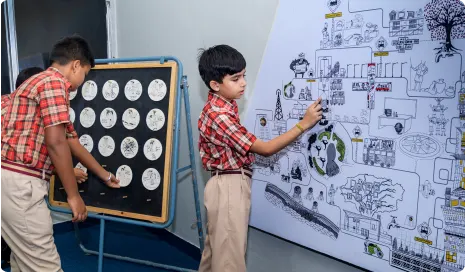
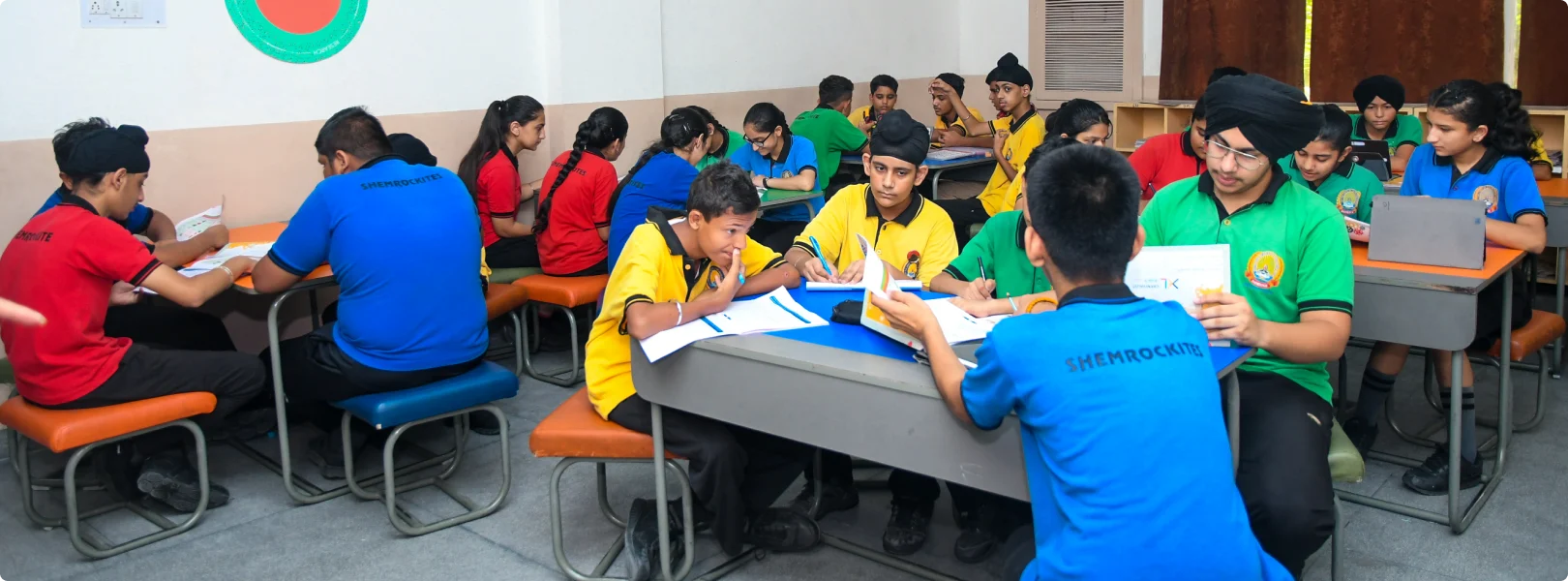
It is where students begin to take greater ownership of how they learn and who they are becoming. Academic work deepens through inquiry, discussion, fieldwork and meaningful projects, while students build the habits they need for the senior years. Learning increasingly connects classroom knowledge with real-world contexts. Students have opportunities to investigate questions, work collaboratively, apply their understanding and reflect on their learning, while developing confidence, responsibility and a sense of purpose. Sustainability and the Sustainable Development Goals are integrated into learning and school life, giving students opportunities to understand real-world issues and participate in meaningful projects and practices. As they progress, they can take greater responsibility for sustainable practices, community engagement and understanding the impact of their actions.
Student Life · Philosophy

Experiential Learning:
An Integral Part of Our Educational Philosophy

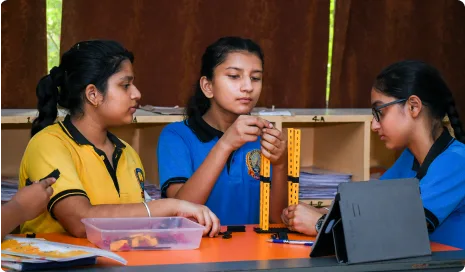
At Shemrock School, Patiala, experiential learning is an integral part of our educational philosophy. We believe that meaningful learning happens when students move beyond textbooks to explore, question, create, collaborate, and apply what they learn in authentic contexts. Across different stages of schooling, students are exposed to experiences that connect classroom learning with the world around them. These may include inquiry and investigation, STEM and innovation, projects and Capstone experiences, design and making, real-world learning, sustainability initiatives, creative expression and opportunities to communicate and represent their ideas. Through these experiences, students learn by doing, discovering, creating and making connections. They develop the ability to apply knowledge, work with others, solve problems and reflect on what they learn.
  • Inquiry & Investigation

  • STEM & Innovation

  • Projects & Capstone

  • Design & Making

  • Real-World Learning

  • Creative Expression

Beyond Textbooks

Experiences That
Bring Learning to Life

Our experiential approach takes shape in many ways across school life—from laboratories and innovation projects to farms, community initiatives, exhibitions and platforms that connect students with the wider world.

STEAM, Innovation & Making

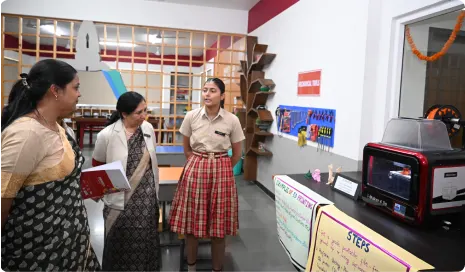
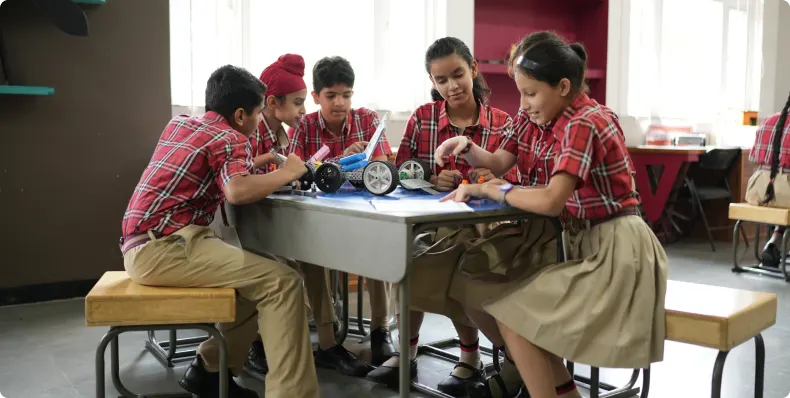
Students have opportunities to explore ideas through STEAM – Science, Technology, Engineering, Arts & Mathematics. Depending on their stage and interests, experiences may include robotics, coding, scientific investigations, model making, design challenges, prototyping and innovation projects.

Mathematics spaces

It provides opportunities to experiment, test ideas, build, create and solve problems, helping students see how concepts can be applied beyond the classroom.

Projects & Capstone Experiences

Projects give students opportunities to bring together learning from different areas and work on questions, challenges, and ideas that interest them. Through Capstone experiences, students research, collaborate, create and present their work—developing a deeper understanding of how different areas of knowledge can come together to address meaningful questions and real-world challenges.

Sustainability & Community

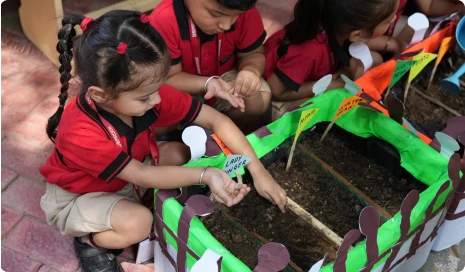
Sustainability is woven into everyday school life. Students encounter it through practices such as waste segregation, water and energy conservation, tree plantation, gardening, and care for their surroundings. The school complements these everyday experiences with practical initiatives such as rooftop solar power, rainwater harvesting, responsible waste management and the use of treated water for green areas. At the Patiala campus, this also includes the use of treated STP water for green areas and electric vehicles. These experiences help students understand sustainability not simply as a topic to study, but as a responsibility to practise.

Our Organic Farm- A Living Classroom

Kabir Farm, our organic farm at Banur, Punjab, is a shared learning resource for students from our Mohali and Patiala campuses. Here, students can experience nature firsthand, exploring seasons, gardening, planting, nurturing, harvesting, and cooking. The farm helps children discover where food comes from and make connections between nature, agriculture, nutrition and sustainability. It is a place where learning becomes sensory, active and connected to everyday life.

Participation & Representation

Learning also extends to platforms beyond the school campus. Through experiences such as Model United Nations (MUN), World Scholar’s Cup (WSC), exhibitions and inter-school forums, students get opportunities to research, communicate, collaborate and share their ideas. These platforms encourage students to listen to different perspectives, articulate their thinking, and engage with wider academic and intellectual communities.